Kyphosis Treatment

What Is Kyphosis?

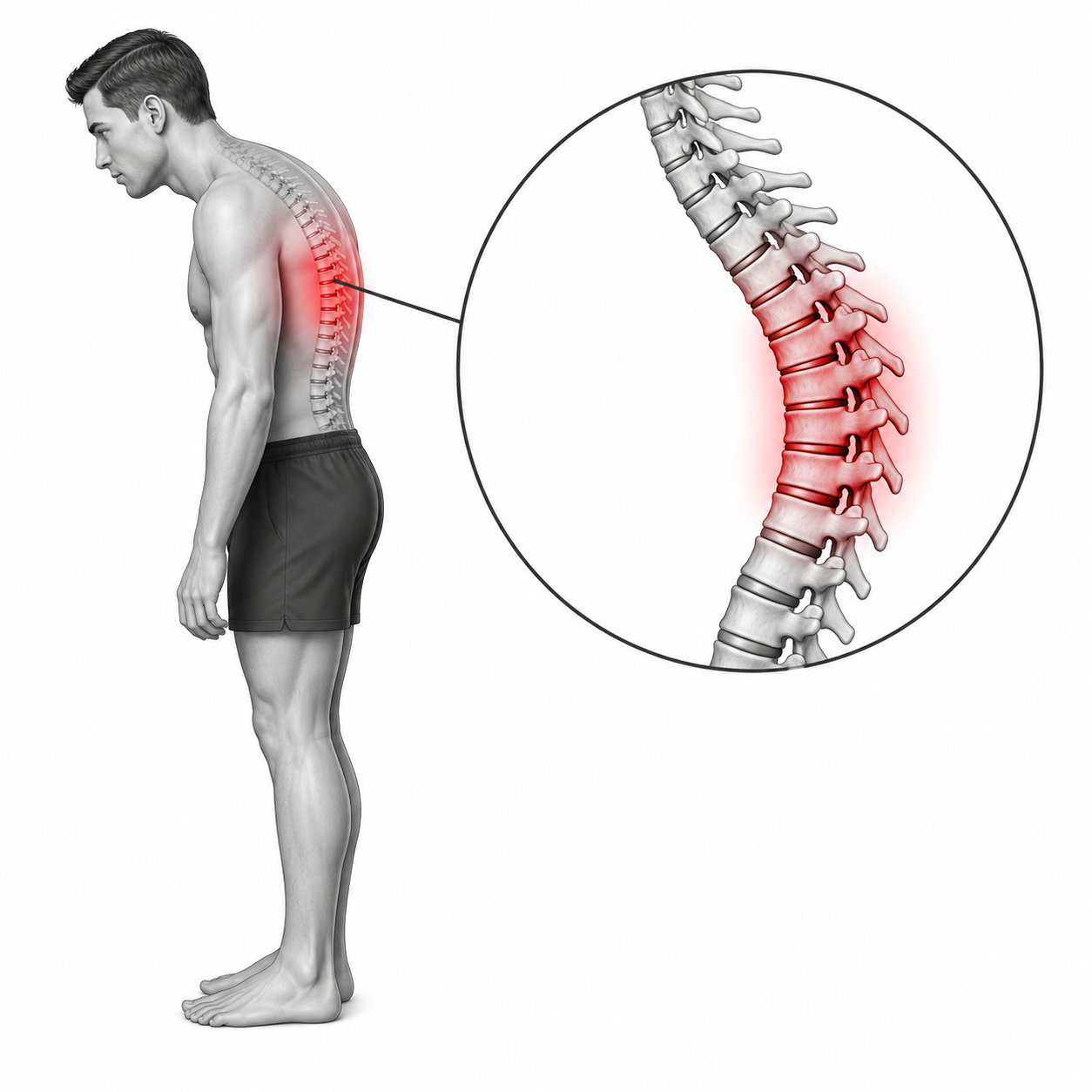
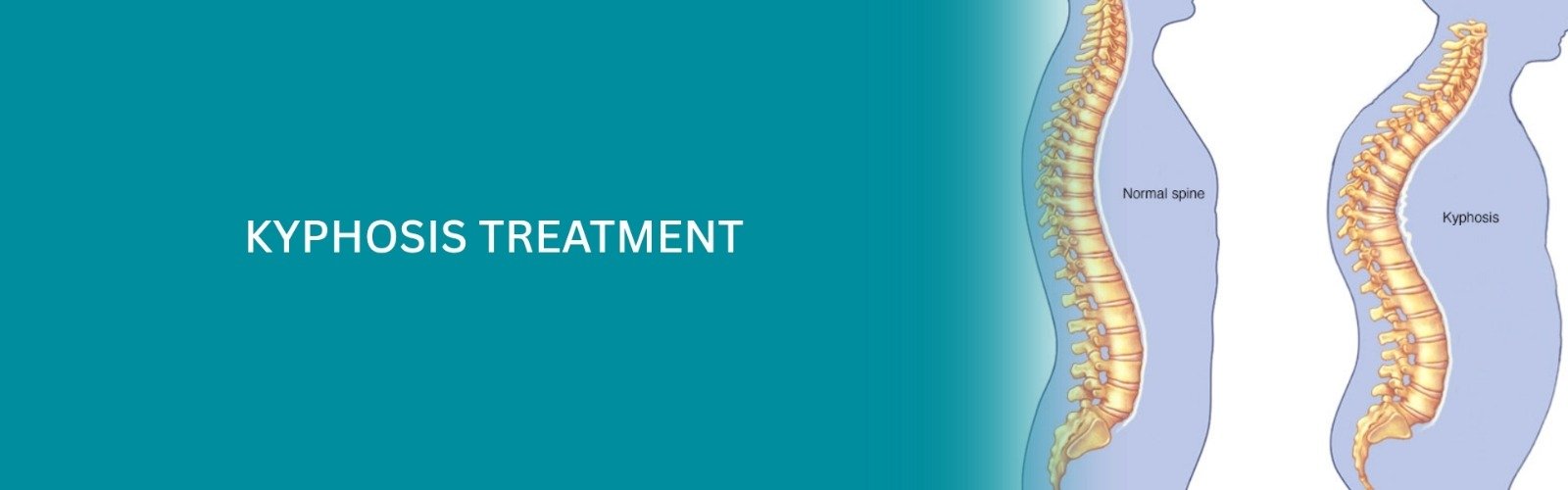
Kyphosis is a spinal condition in which the upper back develops an excessive forward curve, creating a visibly rounded or hunched appearance. A natural curve is present in every healthy spine, but when this curve becomes more pronounced, it may affect posture, movement and daily comfort. Mild kyphosis may not cause noticeable problems, while a more severe curve can lead to back pain, stiffness, muscle fatigue or difficulty standing upright.

Kyphosis may develop because of poor posture, abnormal growth of the spinal bones during adolescence, age-related disc changes, osteoporosis, spinal fractures or conditions present from birth. The severity and cause can differ from one patient to another, so a detailed medical evaluation is important before treatment is planned.

Patients looking for kyphosis treatment surgery in Pimpri Chinchwad, Pune, can consult Dr. Tushar Pisal for a careful assessment of the spinal curve, symptoms and overall mobility. Depending on the condition, treatment may include posture correction, physiotherapy, medicines, bracing or surgery in selected severe cases. The aim is to relieve discomfort, improve posture and help the patient move with greater confidence.

Doctor Credentials – Dr. Tushar Pisal
Our Expert

Meet Dr. Tushar Pisal – Trusted Kyphosis Specialist in Pimpri Chinchwad

Dr. Tushar Pisal

Consultant Endoscopic Spine Surgeon

Dr. Tushar Pisal – Spine Surgeon Pune
Qualification MBBS  |  MS (Orthopaedics)  |  Fellow. in Spine Surgery (Singapore)
Experience Spine Specialist in Pimpri Chinchawad, 15+ years · 20k+ patients treated
Specialization
Endoscopic Spine Surgery Minimally Invasive Surgery Non-Surgical Pain Management
Timings Monday to Saturday  |  10am to 9pm
Book Appointment + 919356662560

Types of Kyphosis Treated by Dr. Tushar Pisal

Postural Kyphosis

Postural Kyphosis

Postural kyphosis commonly develops during adolescence because of prolonged slouching or poor posture.
Scheuermann’s Kyphosis

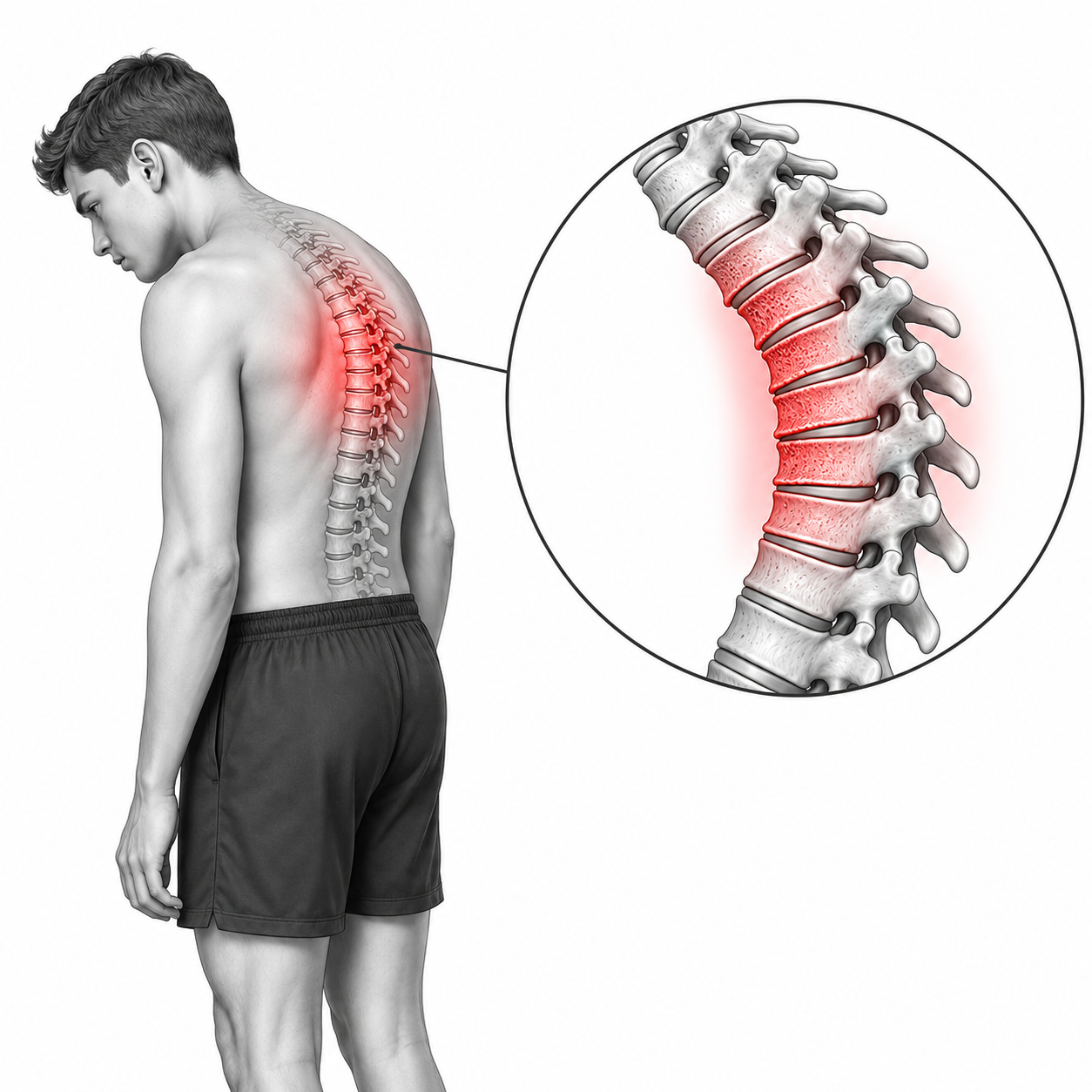
Scheuermann’s Kyphosis

This structural type generally becomes noticeable during the teenage years. The affected vertebrae develop a wedge-like shape, creating a more rigid curve
Congenital Kyphosis

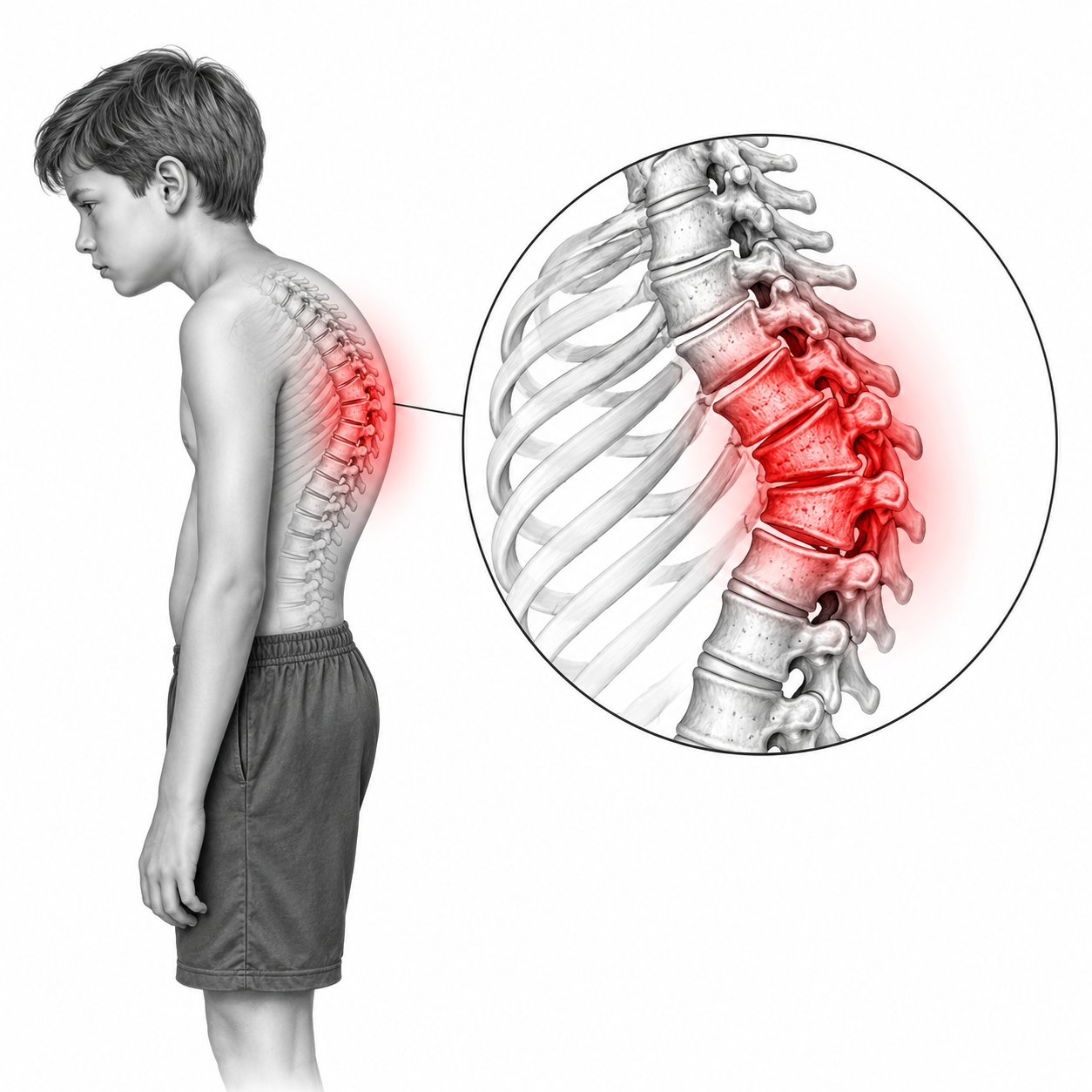
Congenital Kyphosis

Congenital kyphosis is present from birth and occurs when the spinal bones do not develop normally before birth.
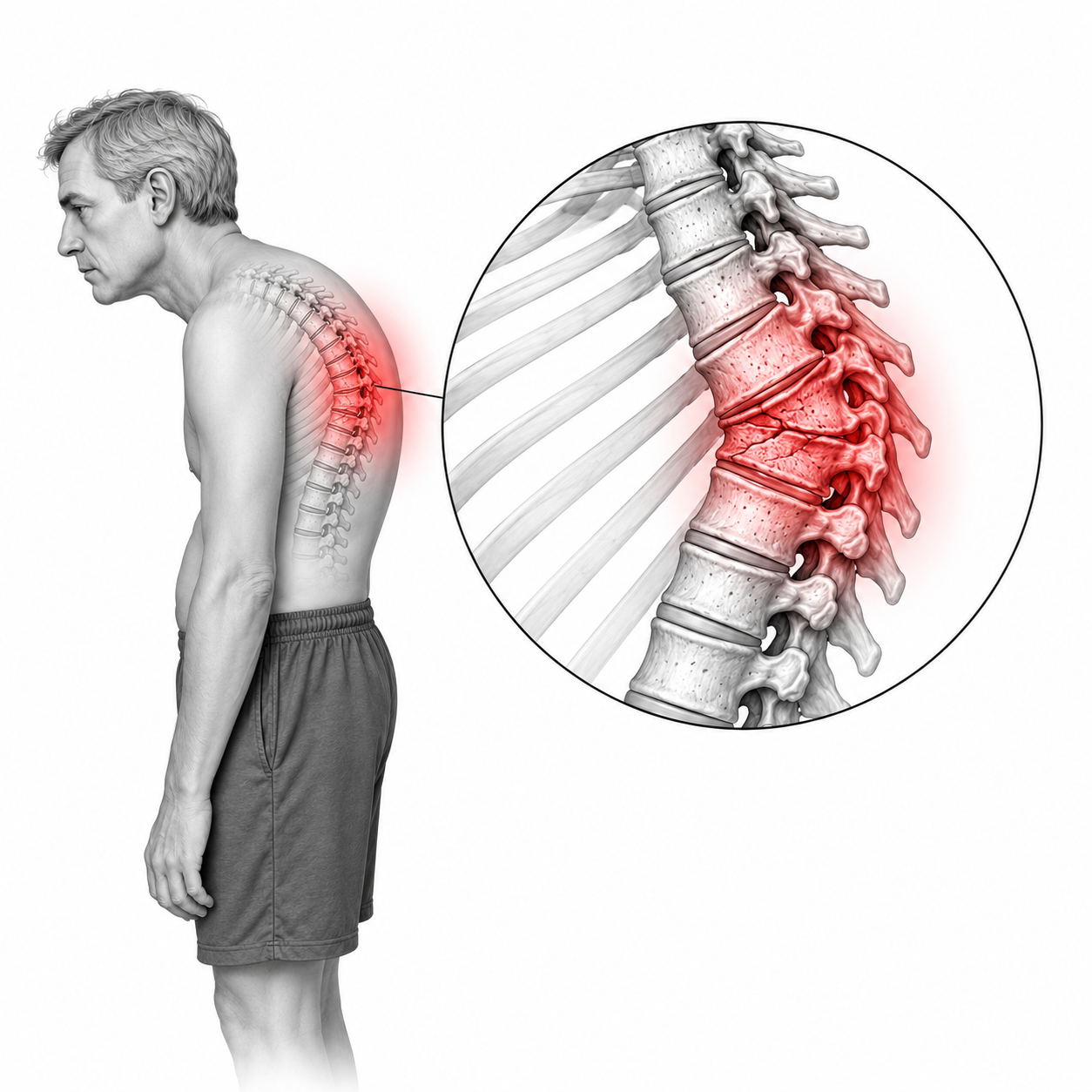
Post-Traumatic Kyphosis

Post-Traumatic Kyphosis

A spinal fracture or serious injury may cause one or more vertebrae to collapse or heal in an abnormal position. This can result in pain, imbalance and a forward-curved posture.
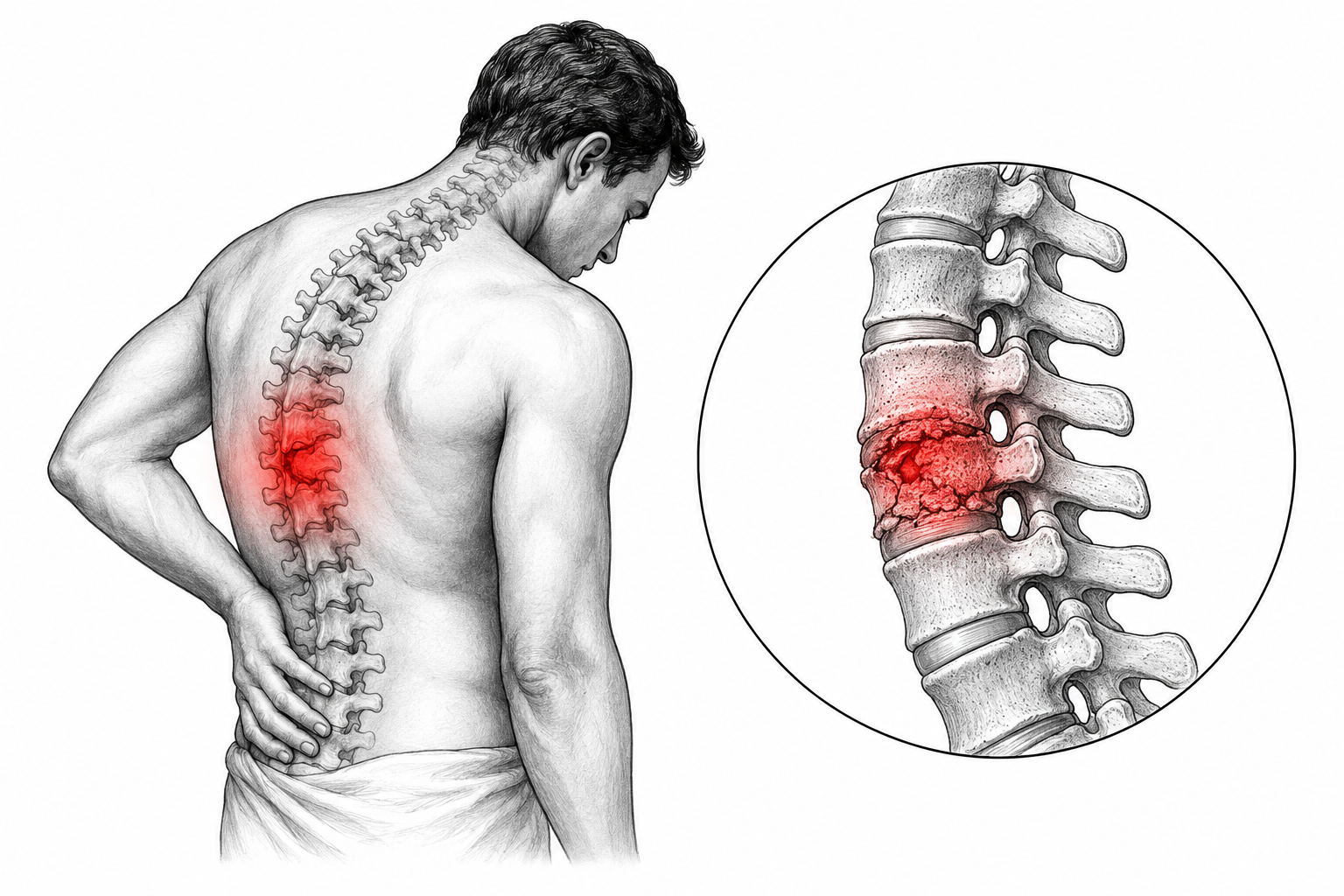
Post-Infectious Kyphosis

Post-Infectious Kyphosis

Certain spinal infections, including spinal tuberculosis, can damage the vertebral bones and create an angular deformity.Treatment focuses on controlling the infection
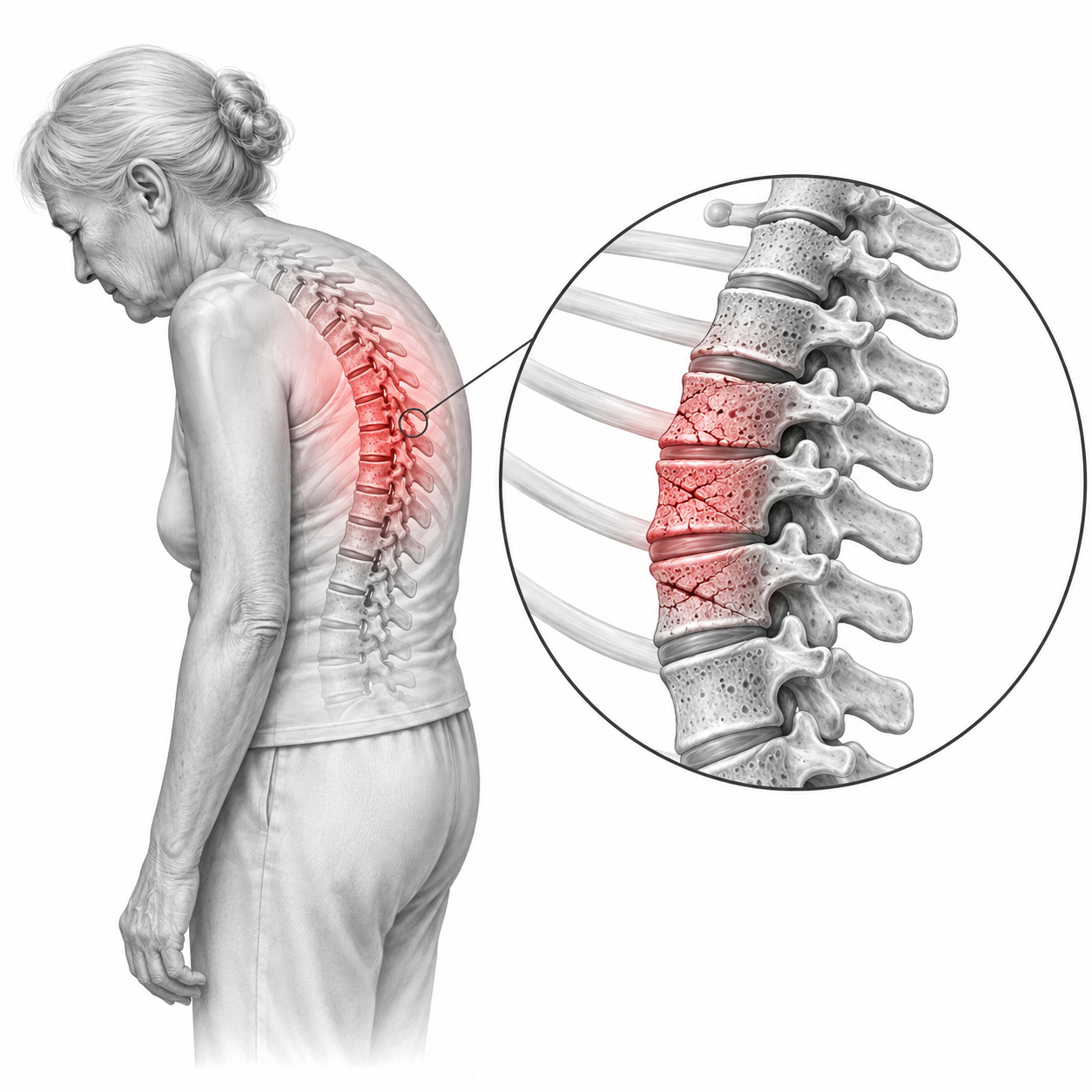
Osteoporotic Kyphosis

Osteoporotic Kyphosis

Weak bones can lead to vertebral compression fractures, particularly in older adults. Multiple fractures may gradually create a rounded upper back, loss of height and persistent discomfort.


Diagnostic Approach for Kyphosis Treatment Surgery in Pimpri Chinchwad, Pune

A proper diagnosis helps determine whether kyphosis needs observation, physiotherapy, bracing or surgical correction. Dr. Tushar Pisal follows a patient-centred approach, taking time to understand how the spinal curve affects posture, movement, comfort and everyday life.

Understanding the Patient’s Concerns

The consultation begins with a detailed discussion about back pain, stiffness, fatigue, posture changes and difficulty standing upright. Patients can also share how the condition affects their work, sleep, walking or confidence.

Reviewing Medical and Family History

Dr. Tushar Pisal reviews previous spine injuries, fractures, osteoporosis, growth-related concerns and past surgeries. Information about when the rounded posture first appeared can help identify the possible type and cause of kyphosis.

Posture and Spine Examination

The patient’s posture is observed from the front, side and back to assess the shape and balance of the spine. The shoulders, head position and overall body alignment are also carefully checked.

Forward-Bending Assessment

The patient may be asked to bend forward so the spinal curve can be examined more clearly. This simple assessment helps determine whether the curve is flexible and posture-related or more rigid and structural.

Movement and Flexibility Check

The doctor evaluates how comfortably the patient can bend, turn and straighten the back. Muscle tightness, restricted movement and areas of tenderness are noted during the examination.

Neurological Examination

Muscle strength, sensation and reflexes in the arms and legs may be checked, especially when the patient has numbness, weakness or balance problems. This helps identify whether the spinal curve is placing pressure on the nerves or spinal cord.

Standing Spine X-Rays

Standing X-rays show the shape of the spine while it supports the body’s weight. They help measure the degree of curvature, examine the vertebrae and determine whether the deformity is progressing.

MRI or CT Scan

An MRI may be advised when nerve compression, spinal cord involvement or soft-tissue problems are suspected. A CT scan can provide a more detailed view of the spinal bones when further evaluation is required.

When Is Kyphosis Surgery Required?

Kyphosis surgery may be considered when the spinal curve is severe, continues to worsen or causes persistent pain that does not improve with physiotherapy, posture correction, medicines or bracing. It may also be recommended when the curve begins affecting balance, walking, nerve function or breathing. Dr. Tushar Pisal carefully evaluates the patient’s age, symptoms, spinal flexibility and imaging reports before deciding whether surgery is necessary.

The aim of surgery is to improve spinal alignment, reduce pressure on the nerves and provide better long-term stability. Dr. Tushar Pisal explains the expected benefits, recovery process and possible risks in simple language so patients and their families can make an informed decision. Surgery is advised only when the likely benefits are greater than the risks and when non-surgical care is no longer sufficient.

Common Symptoms That May Require Kyphosis Treatment or Surgery in Pimpri Chinchwad, Pune

Kyphosis does not feel the same for every patient. While a mild curve may cause few concerns, a more noticeable or progressive curve can affect posture, movement, comfort and confidence. Recognising the symptoms early can help patients seek timely kyphosis treatment or surgery in Pimpri Chinchwad, Pune.

Noticeably Rounded Upper Back

The upper back may appear more curved or hunched than usual. This change may develop gradually and is sometimes first noticed by family members or during routine activities.

Difficulty Standing Upright

Some patients find it difficult to maintain a straight posture, even when they make a conscious effort. They may naturally lean forward while standing, walking or sitting.

Persistent Back Pain

A dull or aching pain may develop around the upper or middle back. The discomfort can become more noticeable after prolonged sitting, standing or physical activity.

Back Stiffness

The spine may feel tight, especially after waking up or remaining in one position for a long time. This stiffness can make bending, turning or straightening the back uncomfortable.

Muscle Fatigue

The muscles supporting the spine may work harder to maintain balance. As a result, patients may experience tiredness, soreness or heaviness in the back by the end of the day.

Uneven Shoulder Position

One or both shoulders may appear rounded or pushed forward. Clothes may begin to fit differently, and the patient may notice changes in overall body alignment.

Reduced Spinal Flexibility

A structural or rigid curve can limit the natural movement of the spine. Patients may struggle with everyday tasks such as reaching, bending, exercising or looking upward.

Discover the Transformative Experiences Shared by Our Patients

CTA – Dr. Tushar Pisal
Consult a Spine Expert

Talk to Dr. Tushar Pisal – Best Spine Surgeon in Pune

Frequently Asked Questions About Kyphosis Treatment and Surgery in Pimpri Chinchwad

Kyphosis surgery is a corrective spinal procedure performed to reduce an excessive forward curvature of the upper back. The surgery helps improve spinal alignment, relieve nerve pressure, reduce pain, and prevent the deformity from worsening.

Surgery may be recommended when the spinal curve is severe, continues to progress, causes persistent pain, affects breathing, compresses the nerves, or does not improve with physiotherapy, medication, and bracing.

The need for surgery is not decided by the curve measurement alone. However, spinal curves greater than approximately 70 to 80 degrees, especially when accompanied by pain, neurological symptoms, or rapid progression, may require surgical evaluation. nerves, or does not improve with physiotherapy, medication, and bracing.

Kyphosis surgery is generally safe when performed by an experienced spine surgeon after proper evaluation and planning. As it is a major spinal procedure, patients should discuss possible risks, expected benefits, and recovery requirements before surgery.

The surgery may take several hours, depending on the severity of the curvature, the number of spinal levels involved, and the complexity of the correction. The surgeon will explain the expected duration after reviewing the scans.

During kyphosis surgery, the surgeon realigns the curved section of the spine and stabilises it using screws, rods, and bone grafts. The exact surgical method depends on the location, severity, and cause of the spinal deformity.

Most patients may need to stay in the hospital for approximately five to seven days. The duration can vary depending on the patient’s overall health, surgical procedure, pain control, and ability to walk safely.

Initial recovery may take several weeks, while complete healing and spinal fusion can take six months or longer. Patients must follow activity restrictions, attend follow-up appointments, and participate in rehabilitation as advised.

The corrected spinal curve usually remains stable after successful fusion. However, maintaining good posture, following rehabilitation advice, avoiding smoking, and attending regular follow-ups are important for long-term results.

Most patients are encouraged to stand and walk with assistance within a few days after surgery. Walking ability generally improves gradually as pain decreases and strength returns during the recovery period.

Possible risks may include infection, bleeding, nerve injury, blood clots, implant-related problems, delayed bone fusion, or continued discomfort. Careful surgical planning and regular postoperative monitoring help reduce these risks.

Choose a qualified spine surgeon with experience in treating spinal deformities and performing corrective surgery. The surgeon should carefully examine your symptoms, review X-rays or MRI scans, explain all treatment options, and recommend surgery only when necessary.

Our Clinic Location – Spine Surgery & Spine Care Centre in Pimpri Chinchwad