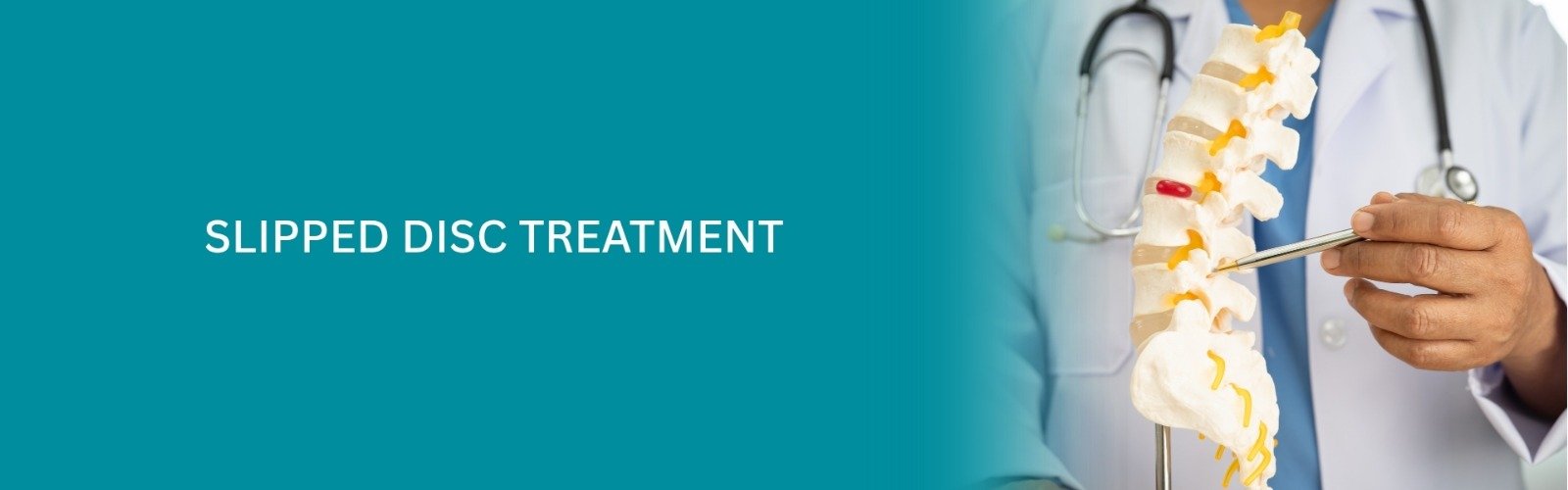
slippped disc treatment

What is Slipped Disc?

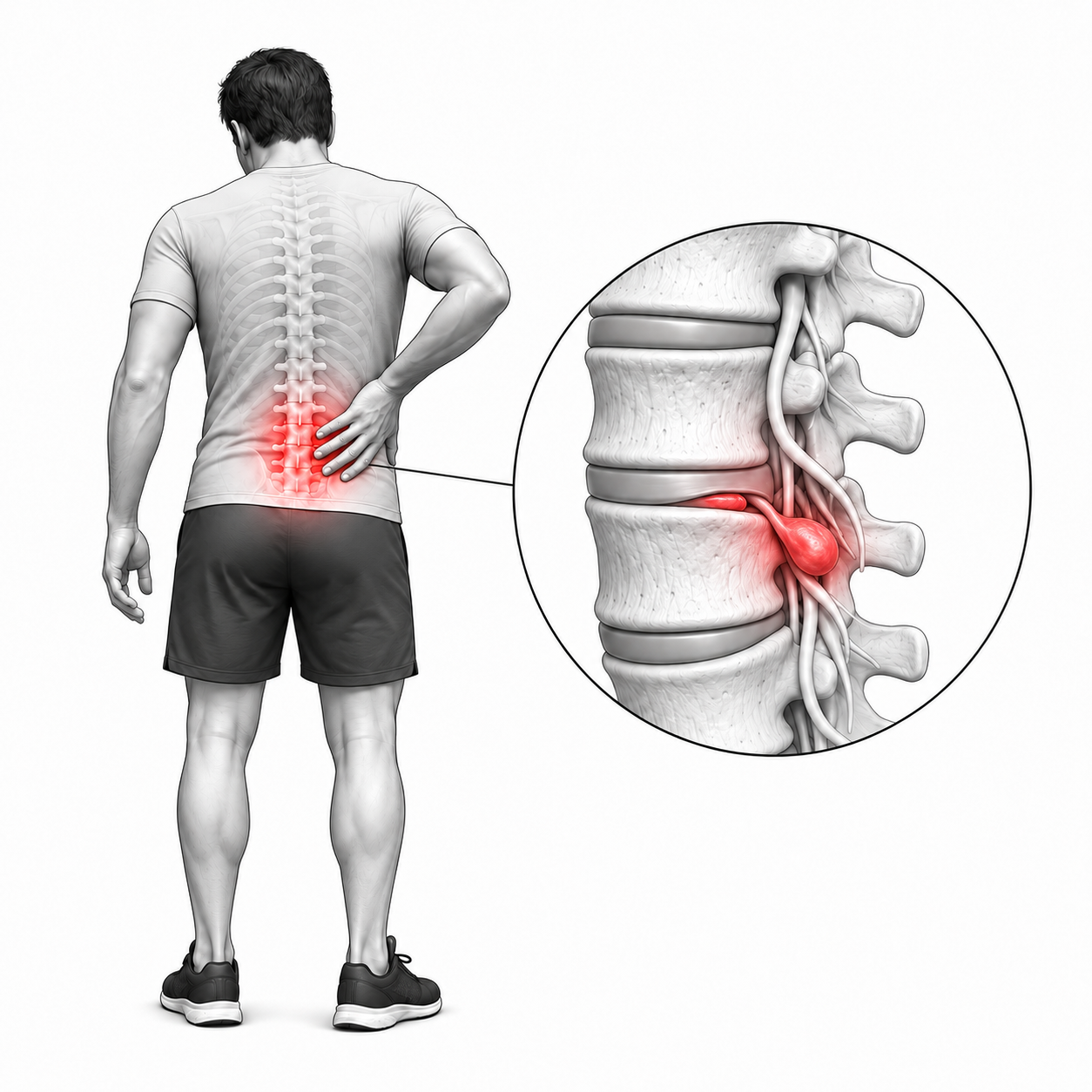
A slipped disc, also known as a herniated or prolapsed disc, occurs when the soft inner part of a spinal disc pushes through its weakened outer layer. Spinal discs act as cushions between the bones of the spine and help absorb pressure during movement. When a disc presses on a nearby nerve, it may cause back pain, stiffness, numbness, tingling, muscle weakness or pain that travels into the arms or legs.

A slipped disc may develop due to ageing, improper lifting, sudden twisting, injury, excess body weight or repeated strain on the spine. Most patients improve with medication, physiotherapy, posture correction and lifestyle changes, while surgery is recommended only in severe cases. For personalised slipped disc treatment in Pimpri Chinchwad, Pune, consult Dr. Tushar Pisal for accurate diagnosis and an appropriate treatment plan.

Doctor Credentials – Dr. Tushar Pisal
Our Expert

Meet Dr. Tushar Pisal – Trusted Slipped Disc Specialist in Pimpri Chinchwad

Dr. Tushar Pisal

Consultant Endoscopic Spine Surgeon

Dr. Tushar Pisal – Spine Surgeon Pune
Qualification MBBS  |  MS (Orthopaedics)  |  Fellow. in Spine Surgery (Singapore)
Experience Spine Specialist in Pimpri Chinchawad, 15+ years · 20k+ patients treated
Specialization
Endoscopic Spine Surgery Minimally Invasive Surgery Non-Surgical Pain Management
Timings Monday to Saturday  |  10am to 9pm
Book Appointment + 919356662560
Types of Slipped Disc Treated by Dr Tushar Pisal

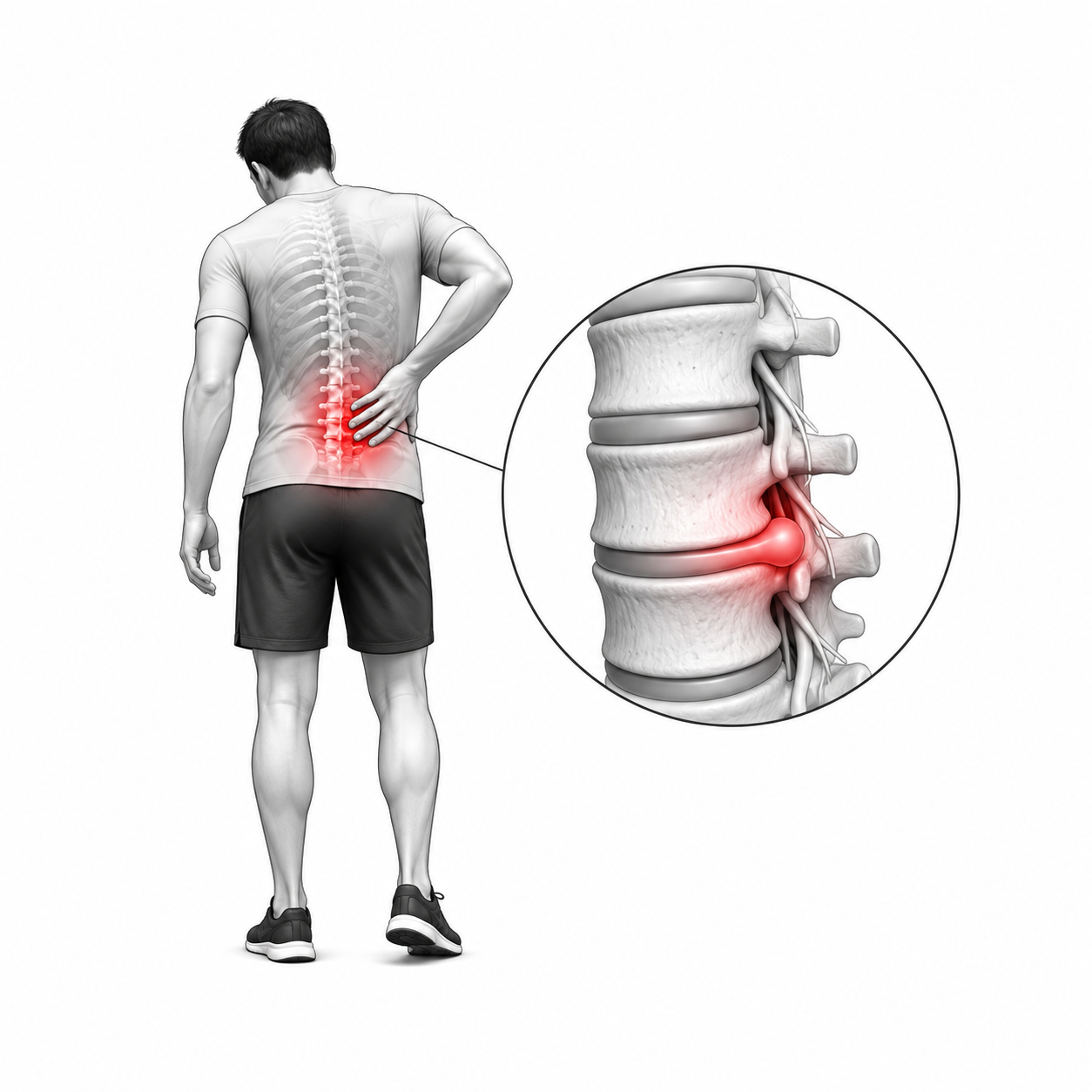
Bulging Disc

The outer layer of the disc extends beyond its normal boundary, but the inner gel remains contained.
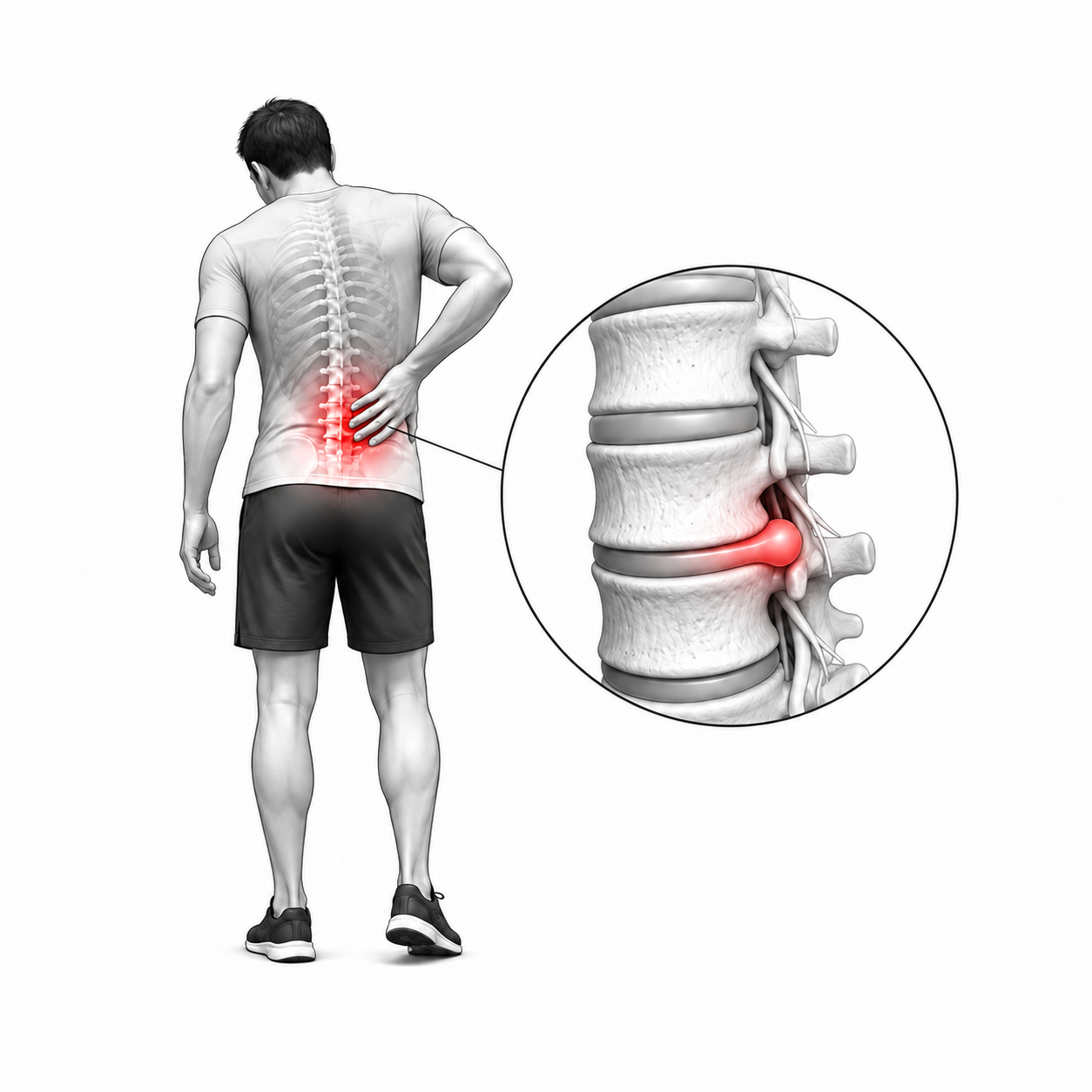
Disc Protrusion

Disc Protrusion

A small portion of the inner disc material pushes outward while remaining connected to the main disc. It may cause pain
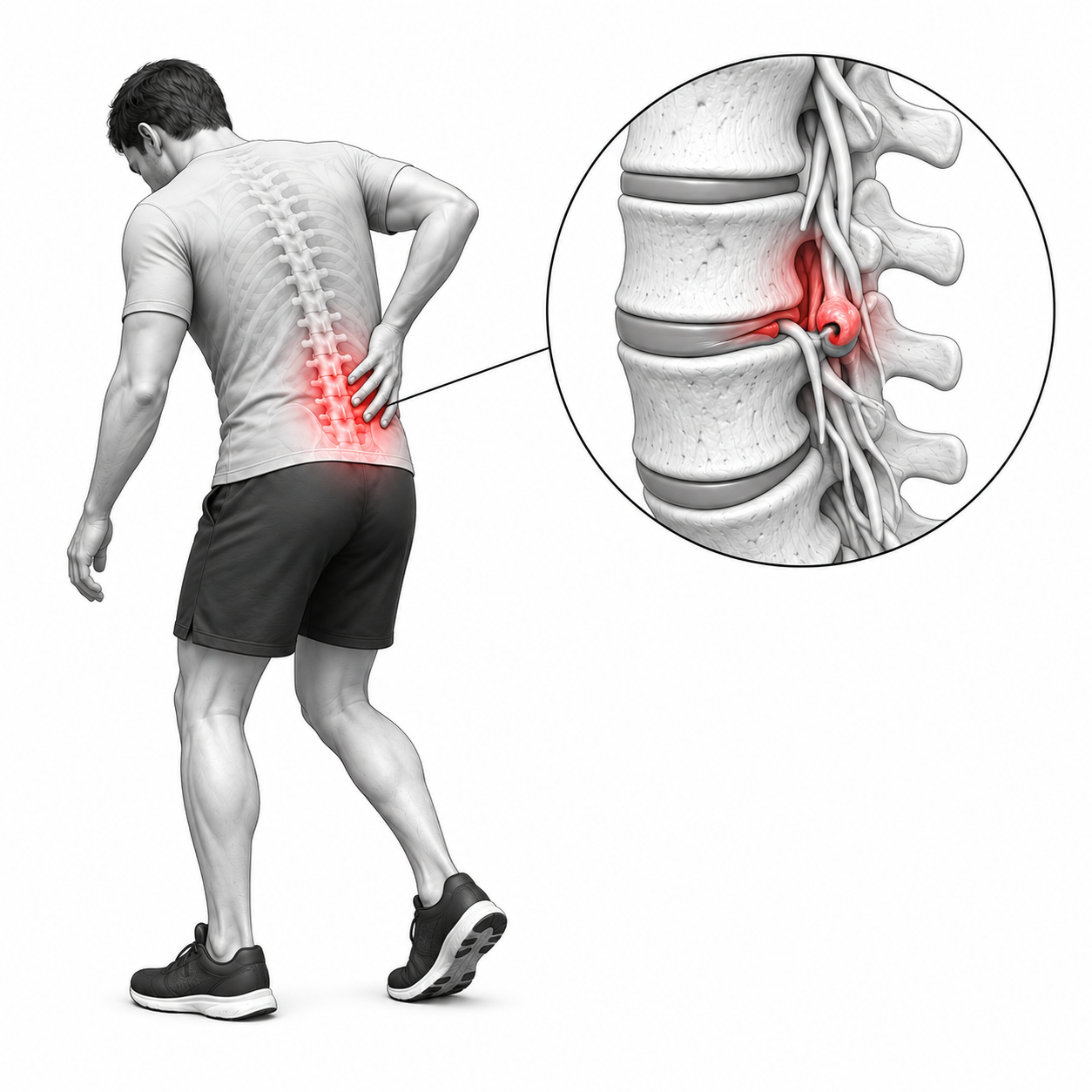
Sequestered Disc

Sequestered Disc

A fragment of the extruded disc completely separates from the main disc and moves into the spinal canal.
Disc Extrusion

Disc Extrusion

The inner gel breaks through the outer disc layer and extends into the spinal canal. This type may cause significant nerve compression, or weakness.


Diagnostic Approach for Slipped Disc Treatment in Pimpri Chinchwad, Pune

Dr. Tushar Pisal follows a careful diagnostic process to understand the exact cause of pain and determine how the slipped disc is affecting the patient’s nerves and movement. The evaluation considers symptoms, medical history, lifestyle and scan findings before a personalised treatment plan is recommended.

Discussion About Your Symptoms

The consultation begins by understanding when the pain started, where it is located and which activities make it worse. The doctor also asks whether the pain travels into the arms, buttocks or legs.

Review of Medical and Lifestyle History

Previous injuries, work routine, posture, exercise habits and existing health conditions are reviewed. This helps identify movements or lifestyle factors that may be placing repeated strain on the spine.

Physical Examination

Dr. Tushar Pisal checks posture, spinal flexibility, tenderness and range of movement. The patient may be asked to bend, walk or change positions to identify movements that trigger discomfort.

Neurological Assessment

Muscle strength, reflexes and sensation are examined to check whether a spinal nerve is compressed. Heel-and-toe walking or a straight-leg raise test may also help identify the affected nerve.

MRI Scan

An MRI scan may be recommended to obtain detailed images of the spinal discs, nerve roots and surrounding soft tissues. It helps locate the slipped disc and assess the severity of nerve pressure.

X-Ray or CT Scan

An X-ray can help rule out fractures, alignment problems and age-related bone changes, although it does not directly show a slipped disc. A CT scan may be advised when more detail about the spinal bones is needed.

Personalised Treatment Planning

Once the diagnosis is confirmed, the condition and available treatment options are explained clearly. Patients seeking slipped disc treatment in Pimpri Chinchwad, Pune, receive an individualised plan focused on reducing pain, relieving nerve pressure and restoring comfortable movement.

Benefits of Early Slipped Disc Treatment

Early treatment can help control pain before it begins affecting sleep, work, walking and other daily activities. Timely care may also reduce inflammation around the affected nerve, improve movement and prevent numbness, tingling or weakness from becoming more severe. Patients who seek slipped disc treatment in Pimpri Chinchwad, Pune, at an early stage may respond well to medicines, physiotherapy, posture correction and guided exercises.

An early evaluation also helps identify the exact cause and location of the disc problem, allowing treatment to be planned according to the patient’s symptoms and lifestyle. Dr. Tushar Pisal focuses on relieving nerve pressure, restoring mobility and reducing the chances of repeated strain. Starting the right treatment at the right time can support a smoother recovery and help patients return to everyday activities with greater comfort and confidence.

Common Symptoms of a Slipped Disc Treatment in Pimpri chinchwad Pune

The symptoms of a slipped disc can differ depending on its location and the amount of pressure placed on nearby nerves. Recognising these signs early can help you seek timely slipped disc treatment in Pimpri Chinchwad, Pune, and prevent the condition from affecting your daily routine.

Persistent Back or Neck Pain

Pain may develop in the lower back or neck and become worse while sitting, bending, lifting or making sudden movements. It can make even simple daily activities feel uncomfortable.

pain Travelling to the Arms or Legs

A compressed nerve may cause pain to spread from the lower back to the buttocks, thighs or legs. A slipped disc in the neck may cause pain that travels towards the shoulder, arm or hand.

Numbness or Tingling

Some patients experience a pins-and-needles sensation in the arms, hands, legs or feet. This may indicate that the affected disc is irritating a nearby spinal nerve.

Muscle Weakness

Nerve compression can reduce strength in the affected arm or leg. You may find it difficult to hold objects, climb stairs, walk steadily or perform routine movements.

Difficulty Bending or Straightening the Spine

A slipped disc may cause stiffness and limited spinal movement. Patients may struggle to bend forward, stand upright or change positions comfortably.

Pain That Worsens After Prolonged Sitting

Remaining seated for long periods may place additional pressure on the lower spine. The pain may become more noticeable while working at a desk, driving or getting up from a chair.

Discover the Transformative Experiences Shared by Our Patients

CTA – Dr. Tushar Pisal
Consult a Spine Expert

Talk to Dr. Tushar Pisal – Best Spine Surgeon in Pune

FAQS-About Slipped Disc Treatment in Pimpri Chinchwad, Pune

A slipped disc occurs when the soft inner material of a spinal disc pushes through its weakened outer layer. It may irritate a nearby nerve, causing pain, numbness, tingling or weakness.

Prolonged bed rest is generally not encouraged because it may increase stiffness and weaken the supporting muscles. Short periods of rest and gentle movement, as advised by the doctor, may support a safer recovery.

Yes, many patients improve with medicines, physiotherapy, activity modification, posture correction and guided exercises. Surgery is usually considered only when symptoms remain severe or nerve-related problems worsen.

Recovery time differs for every patient and depends on the severity of the disc problem, nerve pressure, overall health and treatment followed. Some people notice improvement within a few weeks, while others may need a longer rehabilitation period.

Yes, physiotherapy can help improve flexibility, strengthen the muscles supporting the spine and reduce pressure during daily activities. Exercises should be personalised and performed under professional guidance to avoid aggravating the pain.

A spinal injection may be considered when pain continues despite medicines and physiotherapy. It may help reduce inflammation around the affected nerve and provide temporary relief that supports rehabilitation..

Surgery may be advised when severe pain does not improve with non-surgical care or when the patient develops increasing weakness, walking difficulty or significant nerve compression. The decision is made only after reviewing the symptoms, examination findings and scan reports.

A treated disc problem may occasionally recur, and another spinal disc can also become affected. Maintaining a healthy weight, following proper lifting techniques, staying active and strengthening the core muscles may help reduce future strain.

Seek immediate medical care if back pain is accompanied by loss of bladder or bowel control, numbness around the groin or inner thighs, or rapidly worsening weakness in the arms or legs. These symptoms may indicate serious nerve compression.

Patients experiencing persistent back pain, sciatica, numbness or movement difficulties can consult Dr. Tushar Pisal for a detailed evaluation. The treatment plan is personalised according to the affected spinal area, severity of symptoms and individual recovery needs.

Our Clinic Location – Spine Surgery & Spine Care Centre in Pimpri Chinchwad