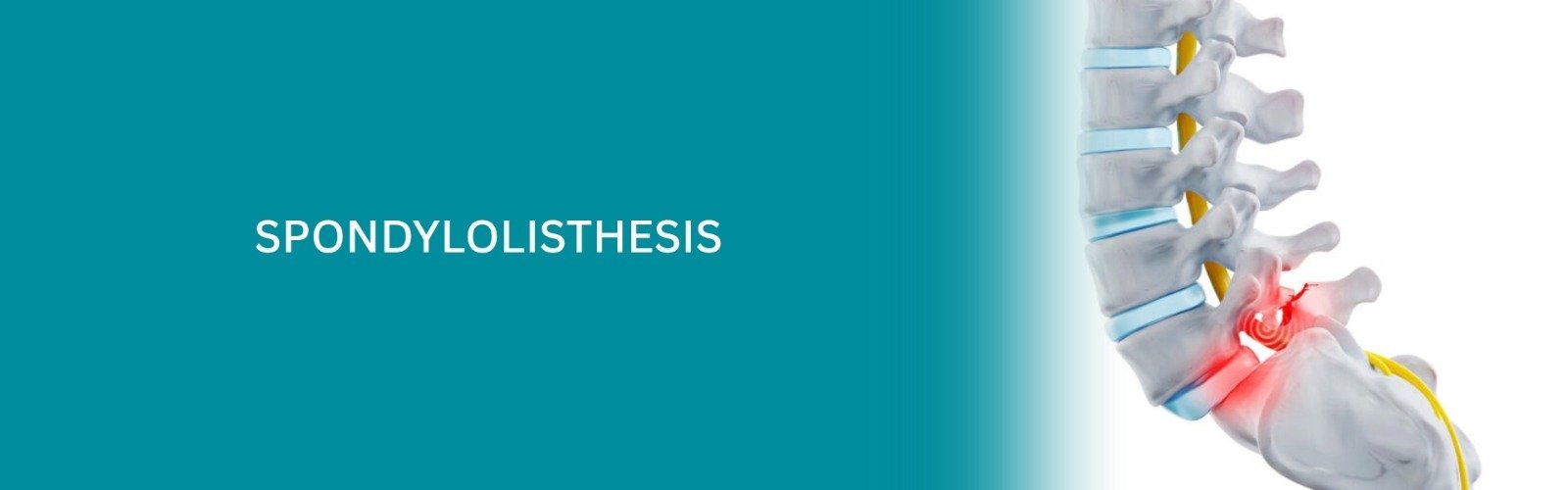
Spondylolisthesis Treatment

Spondylolisthesis Treatment in Pune – Dr. Tushar Pisal

Has back pain, leg pain or stiffness started affecting how you stand, walk or work? It could be spondylolisthesis — a condition where one vertebra slips forward over the bone below it. The good news is that most cases respond well to treatment when caught early and managed by the right specialist. Dr. Tushar Pisal offers expert spondylolisthesis treatment in Pune with 15+ years of spine experience and 16,000+ patients treated. He carefully evaluates your symptoms, spinal movement and reports to find the exact cause, then builds a personalised plan — from medication and physiotherapy to advanced surgery when truly necessary. The goal is simple: less pain, a more stable spine, and a confident return to everyday life.

Doctor Credentials – Dr. Tushar Pisal
Doctor Credentials

Meet Dr. Tushar Pisal – Trusted Spondylolisthesis Specialist in Pune

Dr. Tushar Pisal

Spine Specialist · Pune & PCMC

Dr. Tushar Pisal – Spine Surgeon Pune
Qualification MBBS  |  MS (Orthopaedics)  |  Fellowship in Spine Surgery
Experience Spine Specialist in Pune & PCMC since 2010 · 15+ years · 9000+ patients treated
Specialisation
Endoscopic Spine Surgery Minimally Invasive Surgery Non-Surgical Pain Management Slipped Disc Treatment Scoliosis & Kyphosis Lumbar Canal Stenosis
Timings Monday to Saturday  |  By Appointment
Book Appointment Contact Us
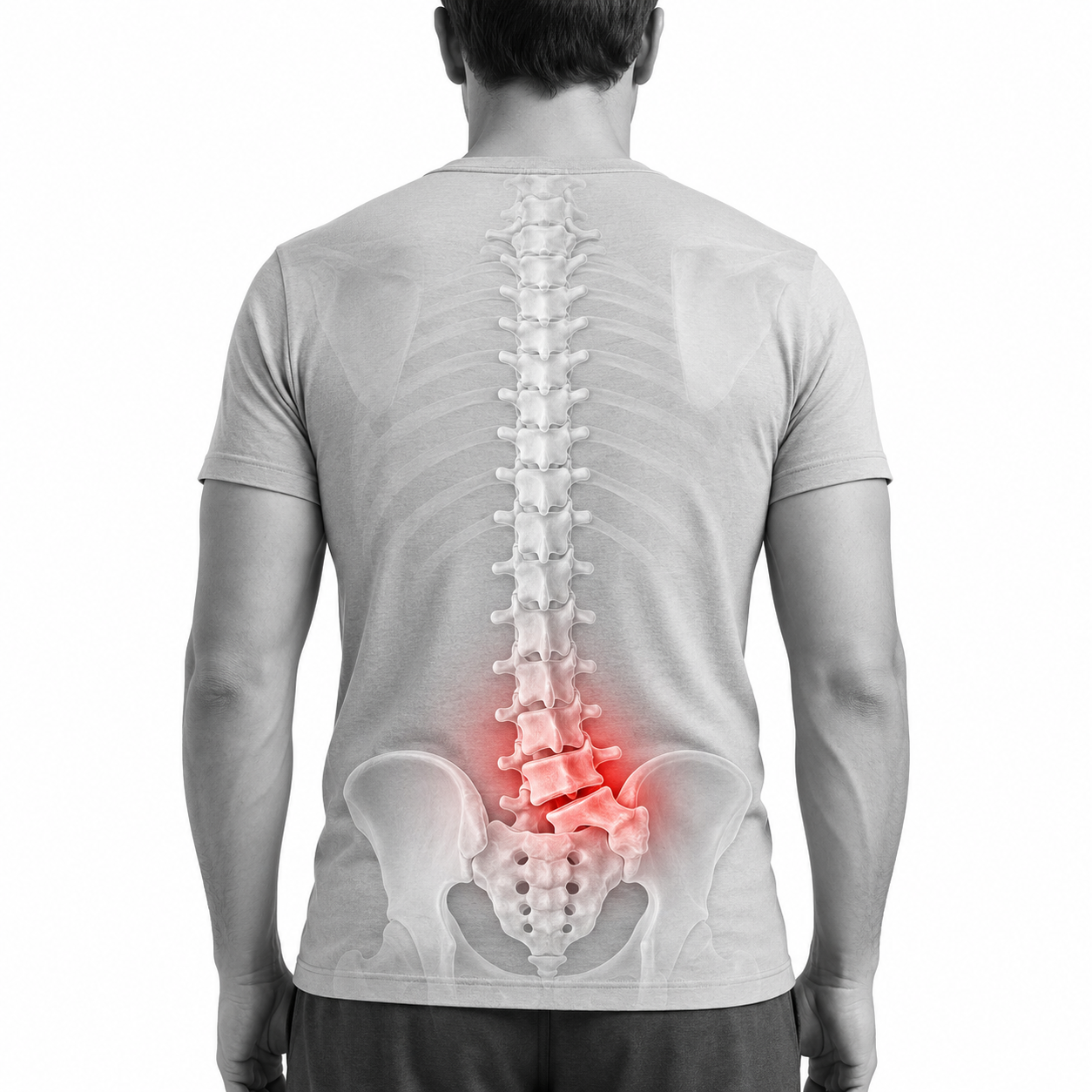
Understanding Spondylolisthesis — Explained by a Spine Specialist in Pune

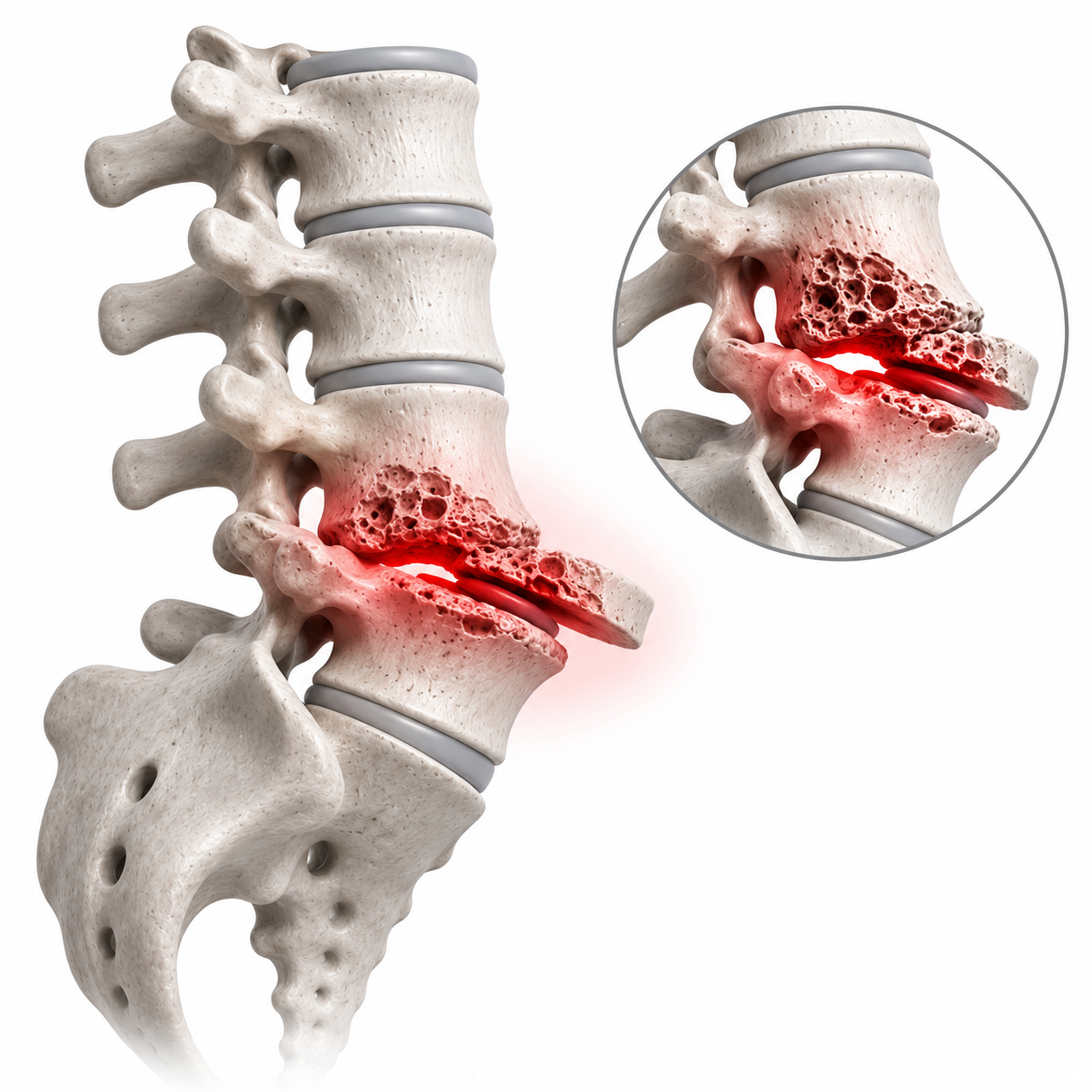
Spondylolisthesis is a spinal condition in which one vertebra slips forward over the bone below it. It most commonly affects the lower back and may place pressure on nearby nerves. Some people experience only mild discomfort, while others develop persistent back pain, stiffness, leg pain, numbness or difficulty standing and walking for long periods.

The condition may develop due to age-related wear and tear, a stress fracture, a birth-related spinal difference, injury or previous spine surgery. Symptoms can worsen during bending, lifting or physical activity, gradually interfering with work, sleep and everyday movement.

Types of Spondylolisthesis

Dysplastic-Spondylolisthesis

Dysplastic Spondylolisthesis

Occurs when a person is born with an abnormal formation in part of the lower spine. The unusual bone structure may allow a vertebra to gradually slip forward as the body grows.
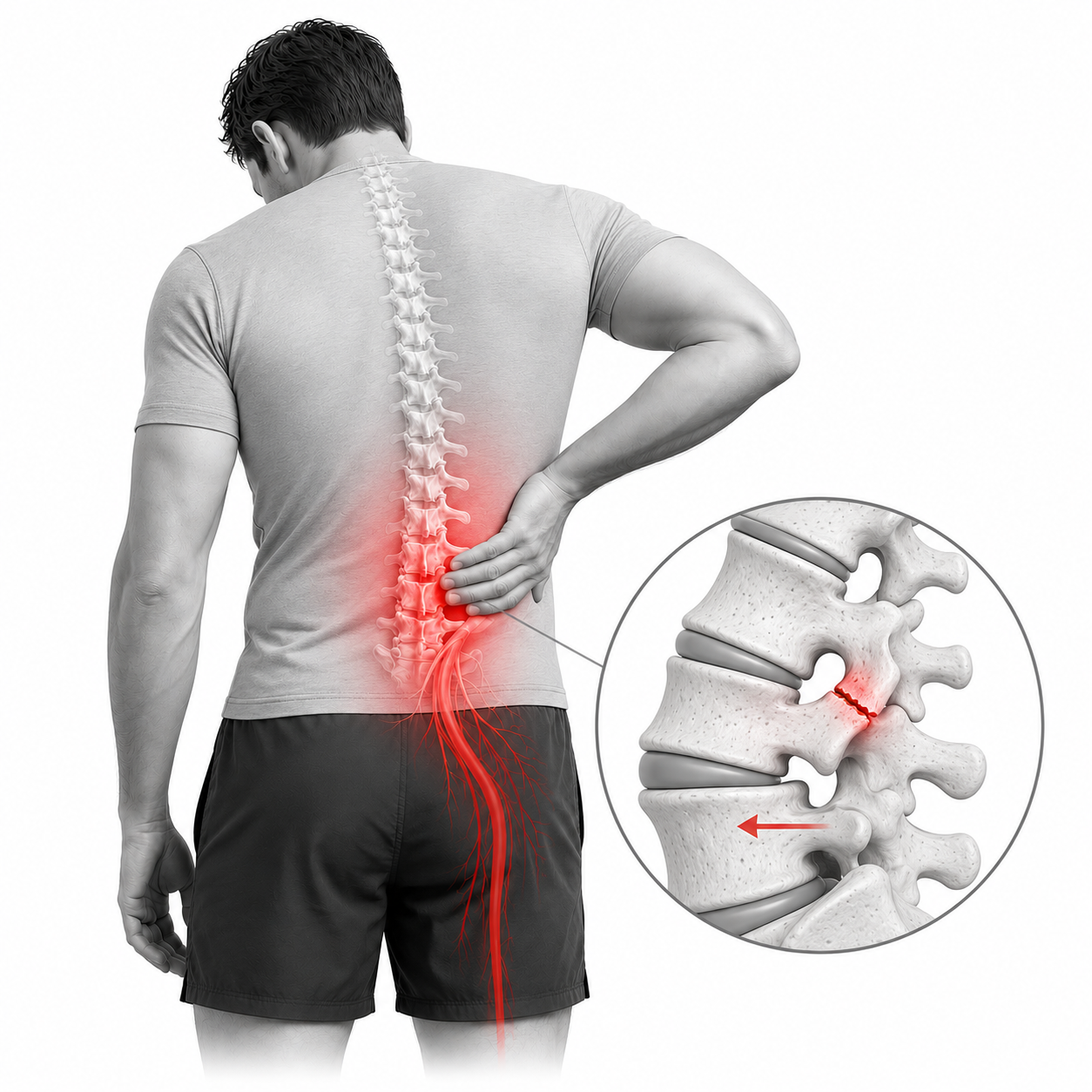
Isthmic-Spondylolisthesis

Isthmic Spondylolisthesis

Isthmic spondylolisthesis develops due to a weakness or stress fracture in a small part of the vertebra.
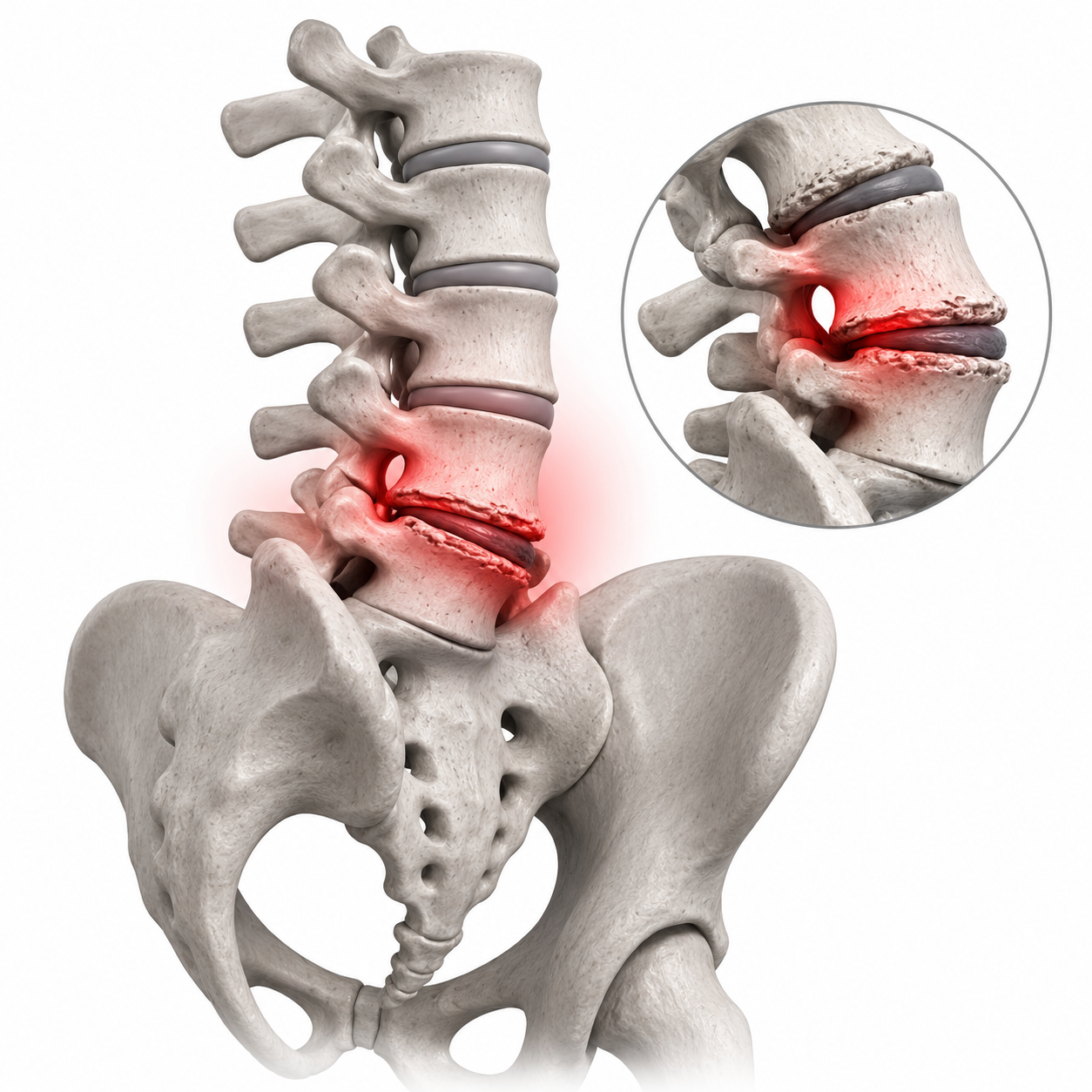
Degenerative-Spondylolisthesis

Degenerative Spondylolisthesis

Age-related wear can weaken the spinal discs, joints and supporting ligaments. As the spine loses stability, one vertebra may slowly move forward over the bone below it.
Facet-Joint-Cysts

Pathologic Spondylolisthesis

This type develops when an underlying condition, such as a tumour, infection or bone disorder, weakens the vertebra.


Symptoms of Spondylolisthesis — When to Seek Treatment in Pune

Persistent lower back pain that worsens with activity

Stiffness or reduced flexibility in the lower back

Pain radiating into the buttocks, thighs or legs (sciatica)

Numbness, tingling or weakness in the legs or feet

What Causes Spondylolisthesis? Common Causes Explained

Stress Fracture or Pars Defect

A small crack or weakness in part of the vertebra — often seen in young athletes involved in gymnastics, cricket or weightlifting — can allow the bone to slip forward.

Age-Related Degeneration

With age, the discs, joints and ligaments supporting the spine weaken, causing instability and forward slippage. This is the most common cause in older adults.

Congenital Spinal Differences

Some people are born with a spinal structure that makes a vertebra more likely to slip over time.

Congenital Spinal Differences

Some people are born with a spinal structure that makes a vertebra more likely to slip over time.

Injury or Trauma

A sudden fall, accident or high-impact injury can fracture the vertebra and trigger slippage.

Discover the Transformative Experiences Shared by Our Patients

CTA – Dr. Tushar Pisal
Consult a Spine Expert

Talk to Dr. Tushar Pisal – Best Spine Surgeon in Pune

FAQs — Spondylolisthesis Treatment in Pune

Yes. Many patients improve with medication, physiotherapy, strengthening exercises, posture correction and activity modification. Surgery is considered only when the slip progresses, nerves are affected, or non-surgical care doesn’t help.


Mild cases often cause little trouble and are managed conservatively. However, higher-grade slips or those causing nerve compression need timely evaluation to prevent worsening pain, weakness or walking difficulty.


Surgery may be advised when the vertebra continues to slip, the spine becomes unstable, there is significant nerve compression, or persistent pain and weakness don’t respond to non-surgical treatment.


It can, especially degenerative types. Regular monitoring and the right treatment plan help keep the condition stable and prevent progression.


Recovery depends on the procedure, your age and overall health. With minimally invasive techniques, many patients resume light activities within a few weeks, with full recovery guided by a rehabilitation plan.


Gentle, guided core and back-strengthening exercises often help, but high-impact activities and certain movements can worsen symptoms. Always exercise under medical guidance.


Our Clinic Locations – Spine Surgery & Spine Care Centre in Pune