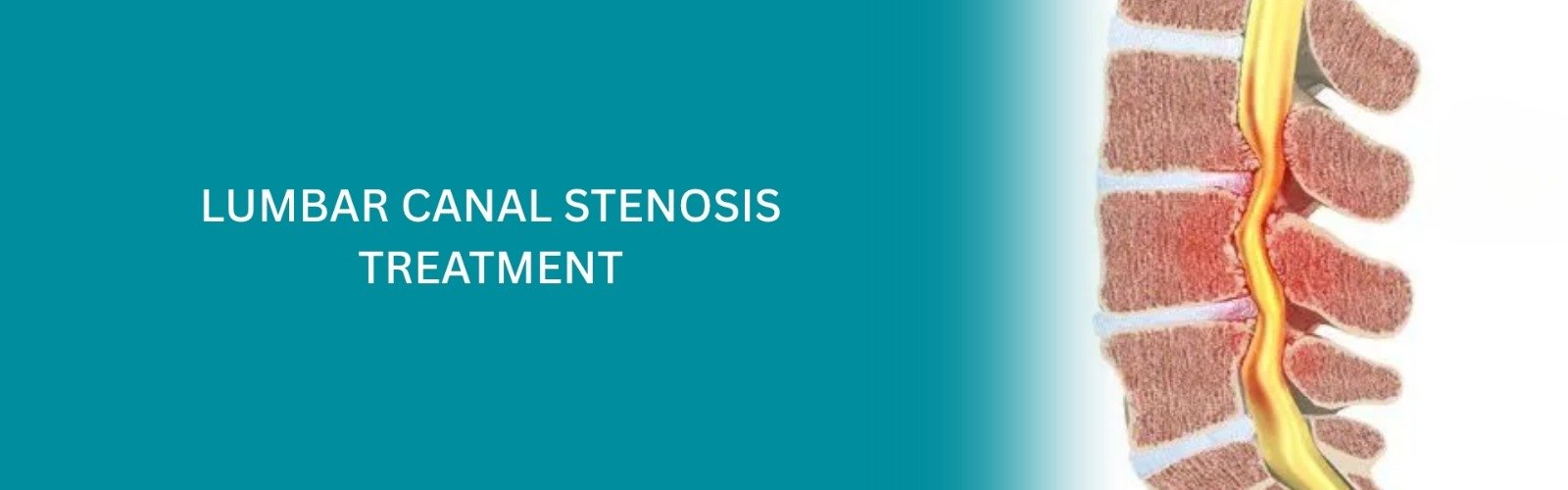
Lumbar Canal Stenosis Treatment

Endoscopy Spine Treatment in Pune – Dr. Tushar Pisal

Struggling with lower back pain, leg numbness or weakness that worsens when you walk or stand? You might be experiencing lumbar canal stenosis — a common but often misunderstood condition that narrows the spinal canal and compresses the nerves. The good news is that with the right diagnosis and expert care, it’s very treatable. Dr. Tushar Pisal offers advanced, personalised Lumbar Canal Stenosis Treatment in Pimpri Chinchwad, backed by 15+ years of experience and 16,000+ patients treated. Using precise diagnostics and modern minimally invasive techniques, he relieves pressure on the nerves, reduces pain and restores mobility. Every treatment plan is tailored to your condition, and surgery is recommended only when it’s truly needed — so you can get back to walking, standing and living comfortably.

Doctor Credentials – Dr. Tushar Pisal
Our Expert

Meet Dr. Tushar Pisal – Trusted Endoscopic Spine Surgeon in Pune

Dr. Tushar Pisal

Consultant Endoscopic Spine Surgeon

Dr. Tushar Pisal – Spine Surgeon Pune
Qualification MBBS  |  MS (Orthopaedics)  |  Fellow. in Spine Surgery (Singapore)
Experience Spine Specialist in Pimpri Chinchawad, 15+ years · 20k+ patients treated
Specialization
Endoscopic Spine Surgery Minimally Invasive Surgery Non-Surgical Pain Management
Timings Monday to Saturday  |  10am to 9pm
Book Appointment + 919356662560

Types of Lumbar Canal Stenosis Treated by Dr. Tushar Pisal

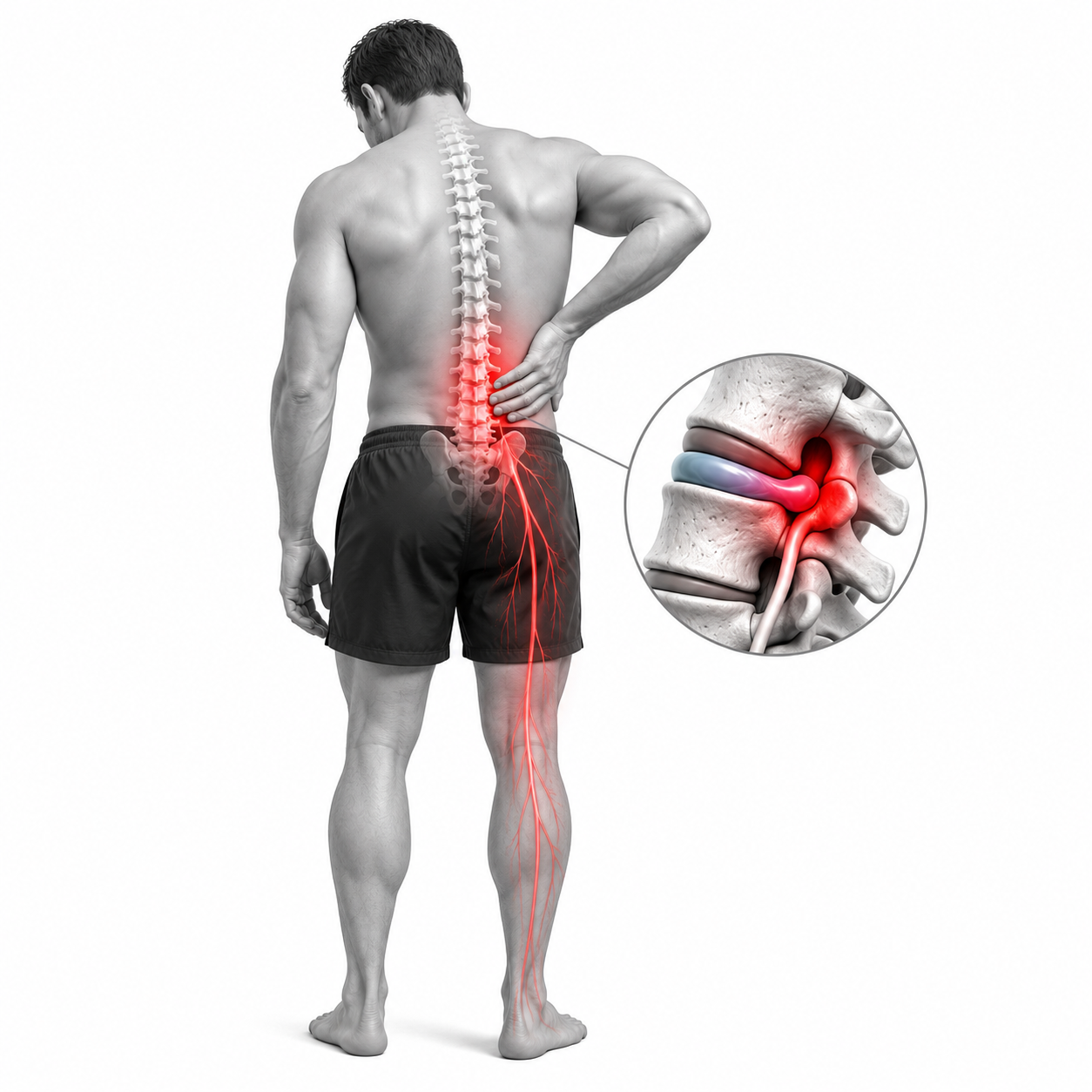
Slipped-Disc

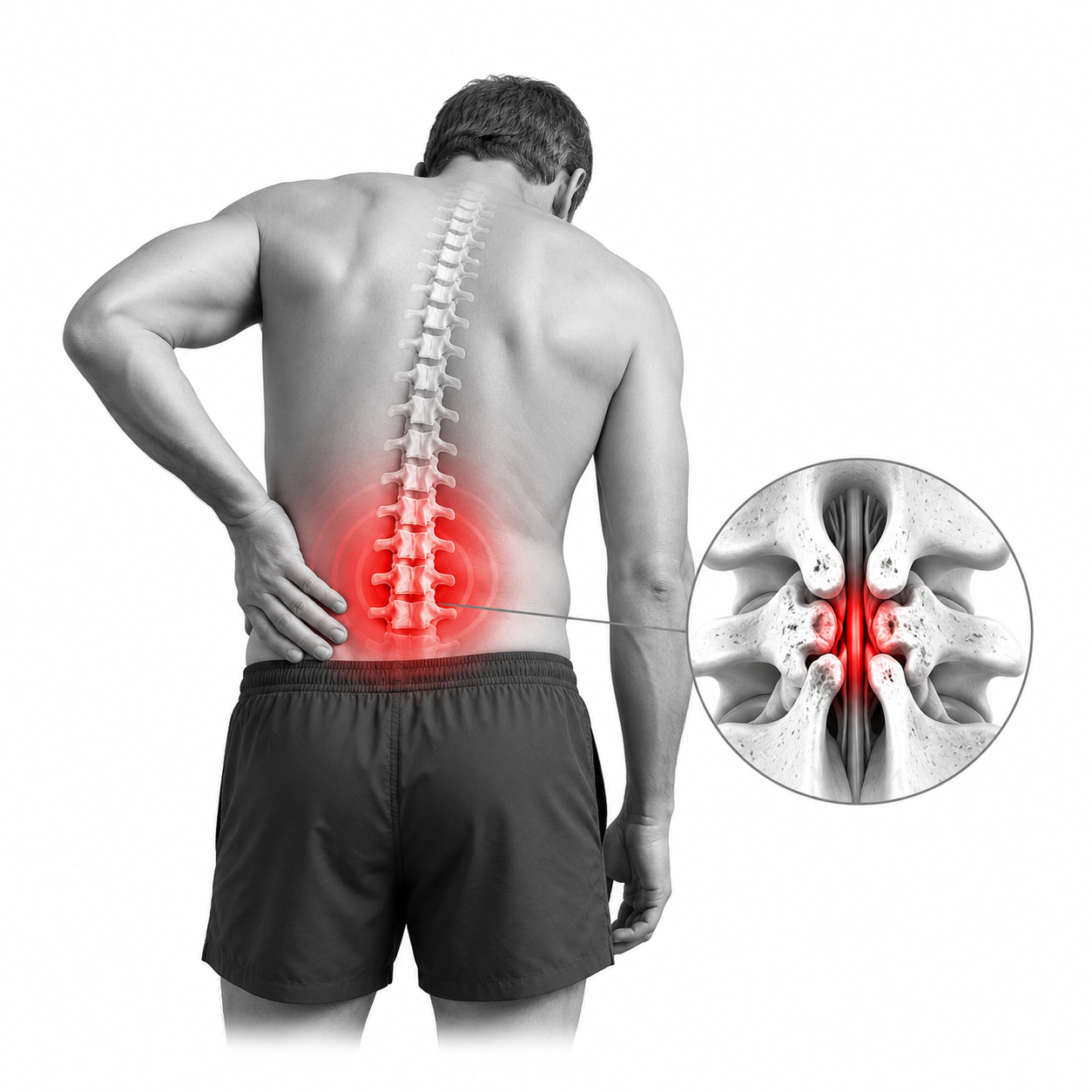
Central Canal Stenosis

This condition occurs when the main spinal canal becomes narrow and puts pressure on the nerves inside it. Patients may experience leg heaviness, pain or weakness that becomes worse while standing or walking.
Spinal-Stenosis

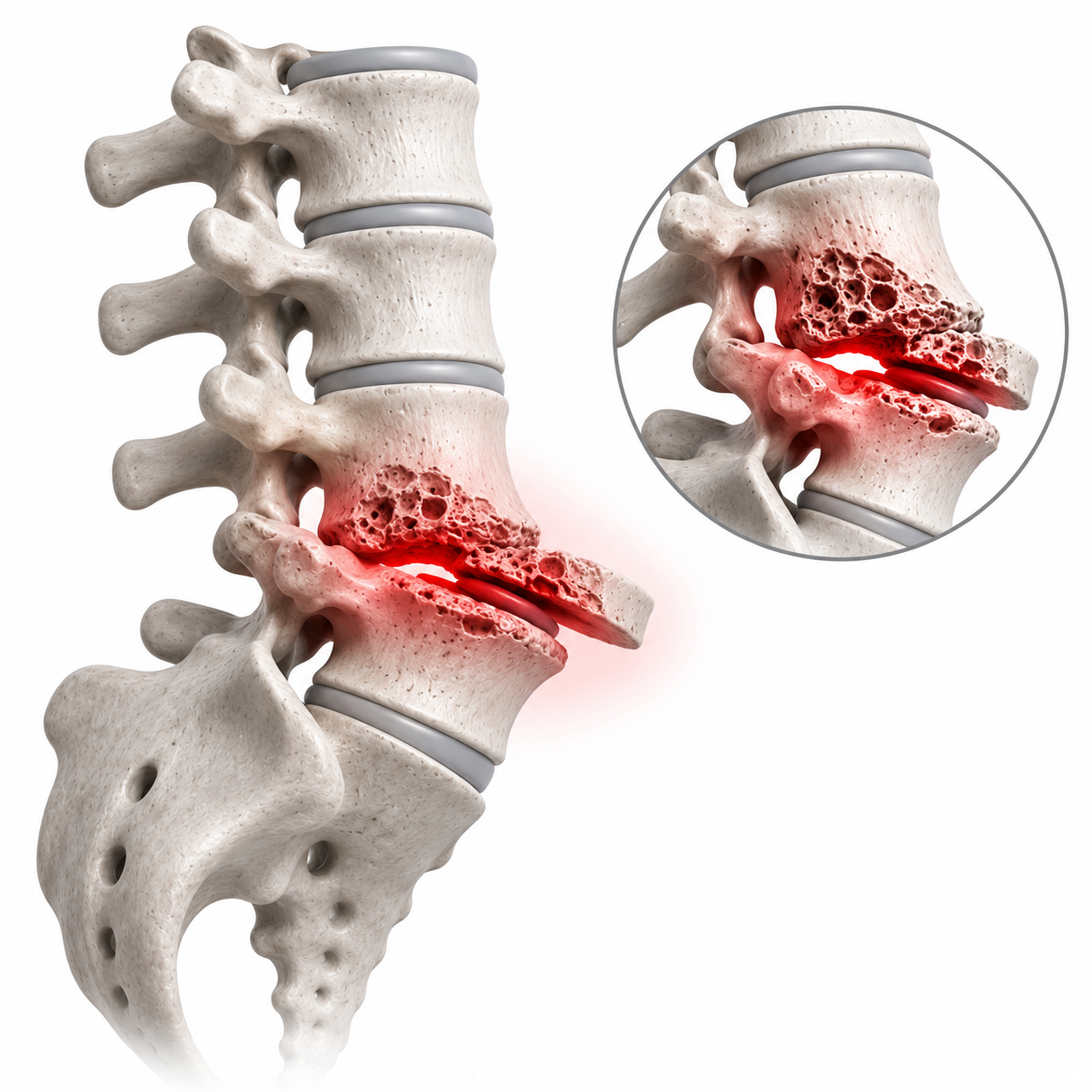
Lateral Recess Stenosis

Lateral recess stenosis develops when the narrow passage beside the central canal becomes compressed. It may irritate a travelling nerve root and cause pain, numbness or tingling that spreads into the leg.
Facet-Joint-Cysts

Foraminal Stenosis

The foramina are small openings through which spinal nerves exit. When these spaces become narrow, the affected nerve may cause lower-back pain, sciatica, numbness or weakness in the leg or foot.
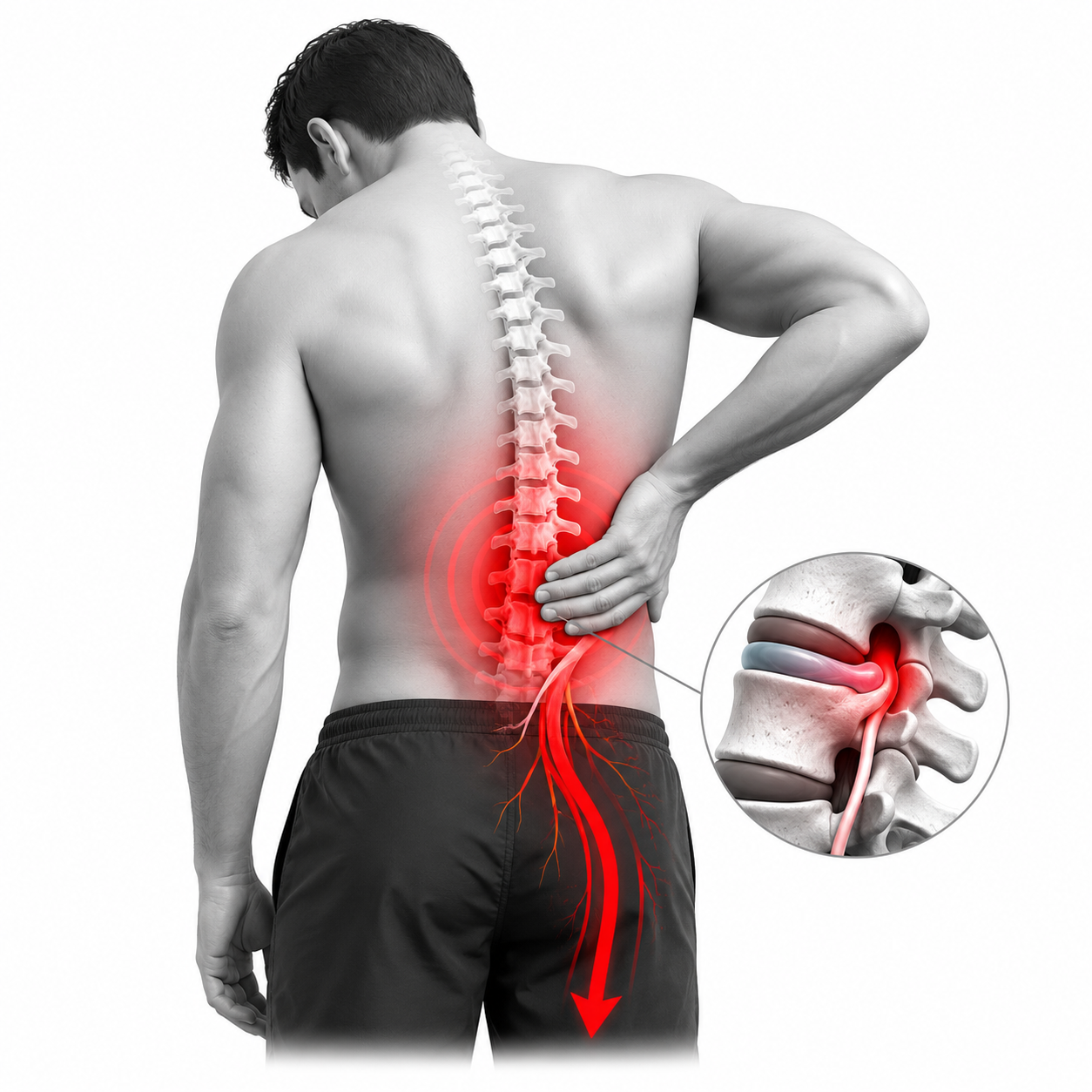
Herniated /-Slipped Disc

Congenital Lumbar Canal Stenosis

Some people are born with a naturally smaller spinal canal. Symptoms may appear earlier when even minor disc or joint changes further reduce the space available for the nerves.


Causes of Lumbar Canal Stenosis

Age-Related Degeneration

Natural wear and tear of the discs and joints gradually narrows the spinal canal — the most common cause.

Herniated Disc

A bulging or ruptured disc can press on nearby nerves and reduce space within the canal.

Thickened Ligaments

Ligaments in the spine can thicken over time, reducing space and compressing the nerves.

Bone Spurs & Osteoarthritis

Arthritis of the spine can lead to bony overgrowth that narrows the canal.

Spinal Injuries or Fractures

Arthritis of the spine can lead to bony overgrowth that narrows the canal.

Bone Spurs & Osteoarthritis

Arthritis of the spine can lead to bony overgrowth that narrows the canal.

What Is Lumbar Canal Stenosis?

Lumbar canal stenosis is the narrowing of the spinal canal in the lower back (lumbar region), which puts pressure on the spinal cord and nerves. This compression can cause a range of symptoms that gradually reduce mobility and quality of life. The condition typically develops due to age-related changes such as disc degeneration, ligament thickening or bone spurs — though in some cases it can be present from birth.

How Lumbar Canal Stenosis Is Diagnosed in Pimpri Chinchwad

Physical Examination

Assessment of your range of motion, reflexes, muscle strength and walking pattern.

MRI or CT Scan

Detailed imaging to identify the exact site of spinal narrowing and nerve compression.

X-Ray

Used to check for arthritis, bone changes or alignment issues.

Nerve Conduction Studies

Carried out when needed to evaluate how well the nerves are functioning.

Discover the Transformative Experiences Shared by Our Patients

CTA – Dr. Tushar Pisal
Consult a Spine Expert

Talk to Dr. Tushar Pisal – Best Spine Surgeon in Pune

AQs — Lumbar Canal Stenosis Treatment in Pimpri Chinchwad

It’s the narrowing of the spinal canal in the lower back, which puts pressure on the spinal cord and nerves. It’s commonly caused by age-related degeneration, herniated discs, thickened ligaments or bone spurs, and in some cases it’s present from birth.


Common symptoms include lower back pain, numbness or tingling in the legs, weakness, difficulty walking or standing for long periods, and relief when sitting or bending forward. Symptoms usually worsen with activity and improve with rest.


No. Mild to moderate cases can be managed with medications, physiotherapy and epidural injections. Surgery is considered only when conservative treatment fails or symptoms severely affect daily life — and minimally invasive surgery is often preferred for faster recovery.


Recovery varies by procedure and individual health. Most patients undergoing minimally invasive surgery resume light activities within a week and return to normal routines in 4–6 weeks, supported by rehabilitation exercises.


In many cases, symptoms can be effectively controlled without surgery through medication, physiotherapy and lifestyle changes. The right approach depends on the severity of nerve compression.


Untreated stenosis can gradually worsen, leading to increasing pain, weakness and walking difficulty. Early diagnosis and treatment help prevent long-term nerve damage.


Our Clinic Locations – Spine Surgery & Spine Care Centre in Pune